Is it too late for braces?
No. Teeth can be moved at any age, whether at 30, 40 or 50. There is no fixed age limit. The prerequisite is that the teeth, gums and jawbone are healthy.
Whether you did not have braces as a child or have put off the correction for a long time: with clear aligners, treatment is hardly noticeable at work or in everyday life.
Why adults decide on braces
- The teeth have shifted. Teeth can move over the course of a lifetime, for example when a tooth is missing or the lower front teeth crowd together.
- Relapse after braces as a teenager. Anyone who did not wear a retainer after treatment often sees their teeth drift back towards their old position.
- Easier cleaning. With crowded teeth, brushing is harder. This increases the risk of decay and gum problems.
- The bite is off. A crossbite or a deep bite puts uneven strain on teeth and jaw and can lead to wear in the long run.
- A smile you are happy to show. For many people this is the main reason, and a perfectly legitimate one.
What is different for adults
- The jaw has stopped growing. In children and teenagers, growth can be put to use. In adults, the teeth themselves are moved in a targeted way.
- Healthy gums first. A tooth correction requires healthy gums. If periodontitis is present, it is treated first.
- Preserving teeth. Our planning is biologically oriented: we preserve your teeth instead of sacrificing them to gain space.
- Inconspicuous at work. For many adults, it matters that the appliance does not stand out in meetings, client appointments or photos.
Which brace for adults?
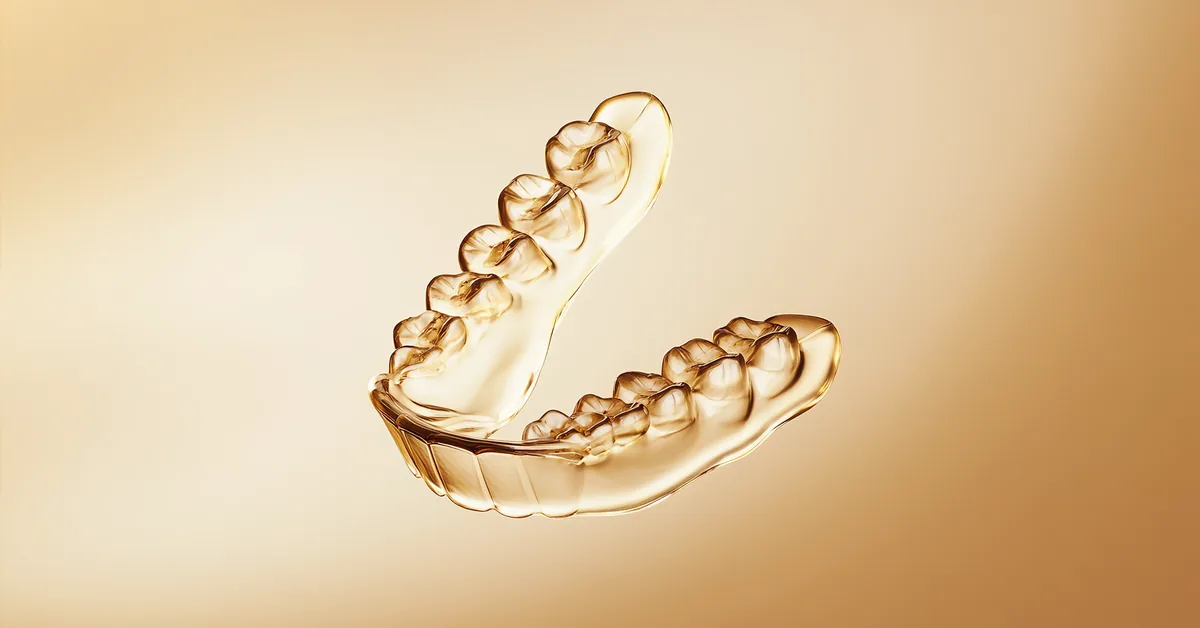
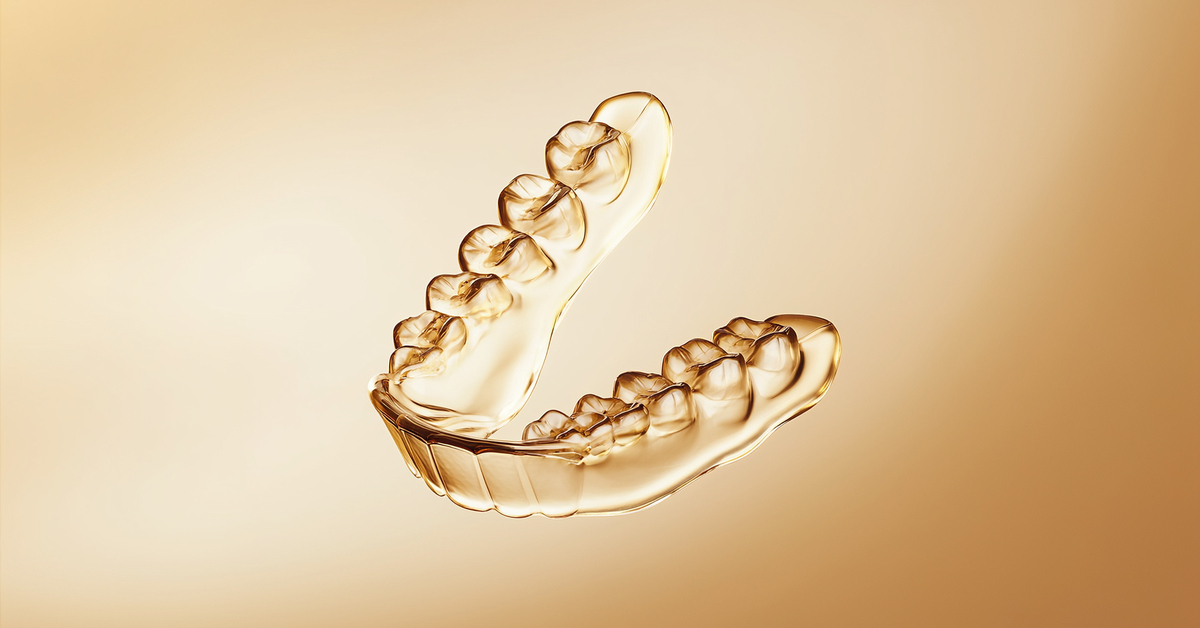
We treat adults exclusively with clear aligners. The trays are practically invisible, and you take them out to eat and brush your teeth. More complex malpositions can also be treated this way. Whether aligners suit your situation is something we clarify at the first consultation.
For a detailed comparison with fixed braces, read our article Braces or aligners?
Procedure and duration
- First consultationPersonal conversation and examination. We check your teeth and gums and discuss your goals. The consultation costs CHF 150, including photos and scan.
- 3D scan and simulationA digital scan captures your teeth. With AI-supported planning you see the result as a simulation before the first tray is made.
- Active treatmentYou wear the aligners 20 to 22 hours a day and switch to the next tray every 1 to 2 weeks. We see you for a check-up every 4 to 6 weeks.
- Securing the resultA retainer keeps the teeth in their new position. This is crucial, especially for adults whose teeth have shifted before.
Depending on the starting situation, treatment takes 2 to 10 months. How the trays fit in with work, sport and travel is covered in our article Aligners in everyday life.
What do braces for adults cost?
The costs depend on whether one or both jaws are treated and how extensive the correction is:
Aligners for adults
The price includes 3D planning, the simulation, all check-up appointments and the retainer. Depending on the case, attachments (from CHF 400 per jaw) or aids such as elastics (from CHF 800) may be added. Before treatment starts you receive a written cost estimate. More in our article What aligner treatment really costs.
Does health insurance pay for adults?
Basic health insurance generally does not cover tooth correction for adults, except in severe, clearly medically justified cases. Supplementary dental insurance contributes 50 to 75 % depending on the policy. It is best to check with your insurer before treatment starts. We provide the cost estimate for this and, on request, help you submit it.
If your teeth have shifted again after earlier treatment, this can be corrected again with aligners. To make it last this time, a retainer is part of it. More in our article Retention after aligner treatment and on the page retention.
Your next step
At the first consultation at our practice at Löwenplatz we clarify whether aligners are suitable for you, show you the simulation of your result and draw up a clear cost estimate. More about aligner treatment in Zurich. Book online or call +41 44 363 90 90.
This article is for general information only and does not replace individual dental advice. Whether and which treatment is right for you is something we determine in a personal consultation based on your individual situation.