
Why 20–22 hours matter
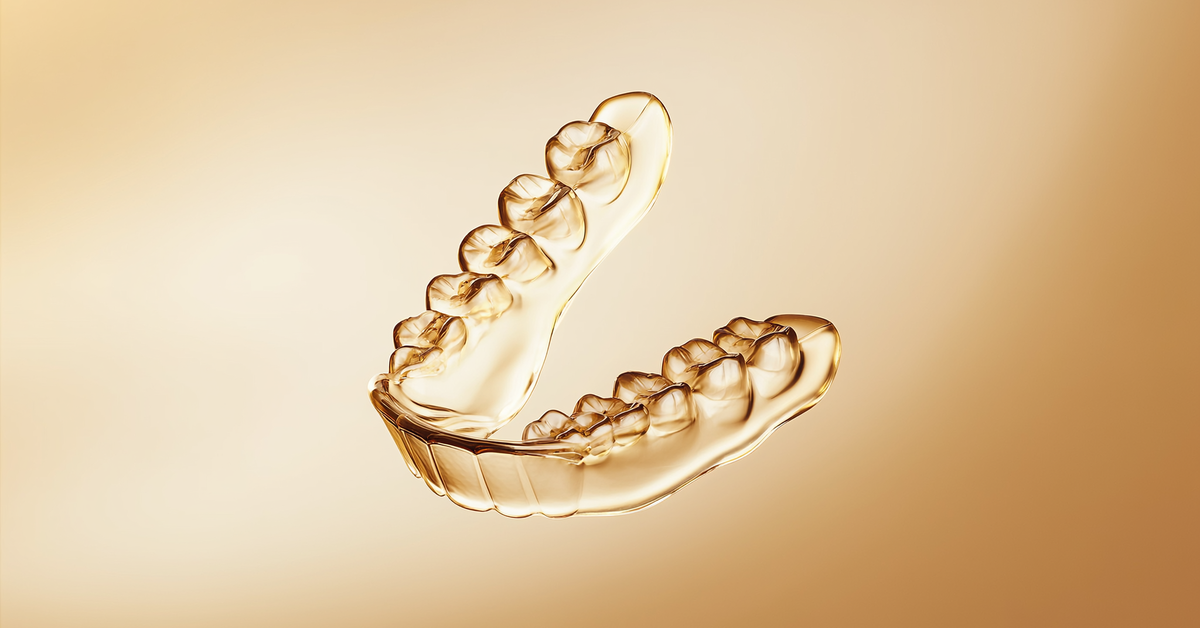
Aligners only move teeth when they are worn. The recommended wear time of 20 to 22 hours per day is not an arbitrary figure — it is the basis for keeping treatment within the planned timeframe. In practice that means: the tray is only out for eating and dental care.
Tray out to eat and brush — then straight back in afterwards. Make this a habit and you reach the wear time almost automatically.
In everyday study and working life
- Lectures & meetingsAligners are nearly invisible and, after a short adjustment period, don’t interfere with speaking. They simply stay in.
- LunchTray into its case (never in a napkin — the most common cause of loss), eat, brush your teeth or at least rinse, then put the tray back in.
- Coffee & drinksWater is always fine with the tray in. Coffee, tea and coloured drinks are better without it — otherwise the tray may discolour.
- Evenings at the flatCleaning routine: clean the tray with lukewarm water and a soft brush, no hot water (it deforms the material).
Sport, travel, going out
- Sport: Aligners can usually be worn and even offer slight protection. For contact sport, discuss an additional mouthguard.
- Travel: Always keep the current and next tray plus the case in your hand luggage — never in checked baggage.
- Going out: Keep a glass of water nearby and leave the tray in. Plan longer eating or drinking breaks deliberately.
The patients who finish fastest are not the most disciplined — they are the ones with the best routine.
Our conclusion
The wear time is quite manageable once it has become a habit — usually after one to two weeks. At the check-up appointments we look together at whether everything is on track and adjust if needed.
This article is for general information only and does not replace individual dental advice. Whether and which treatment is right for you is something we determine in a personal consultation based on your individual situation.