
The tooth memory
Teeth are not rigidly fixed objects — they are elastically suspended in the jaw by fibres. After a correction there is a natural tendency to move back towards the starting position. Technically this is called relapse. Without stabilisation, a good result can suffer within months.
The active treatment straightens the teeth. Retention ensures they stay straight. The two belong inseparably together.
Which retainers exist
Two ways — often combined
A thin wire, bonded to the inside of the teeth. Invisible, works around the clock, requires no thinking. Requires good care.
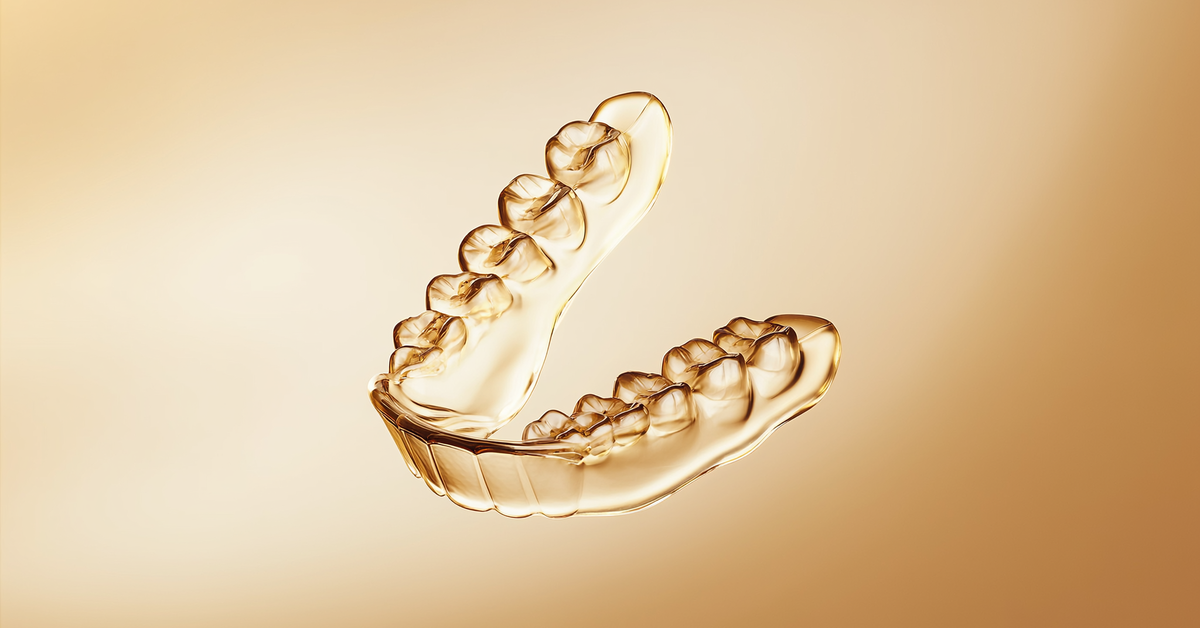
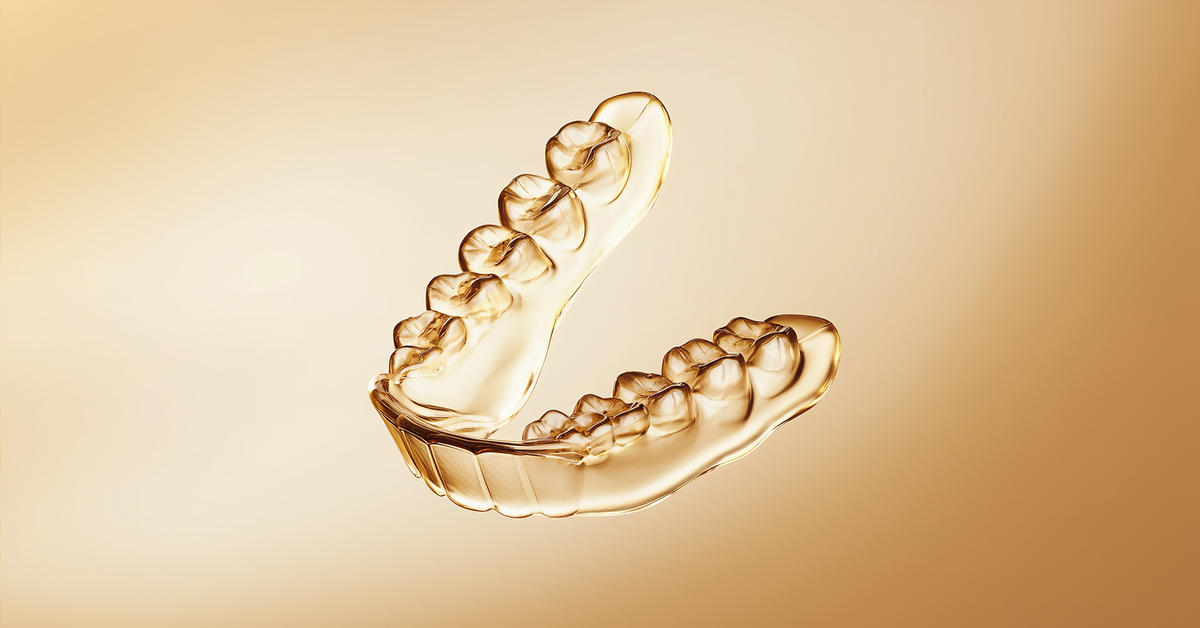
A clear tray, usually worn at night. Flexible, easy to clean — only works if worn consistently.
For how long?
The honest answer: in principle permanently, at least in a reduced form (e.g. wearing a tray at night). The tendency to relapse decreases over time but never disappears entirely. Those who know this from the start experience it not as a burden, but as a small, worthwhile effort.
Care & check-ups
- Clean the fixed retainer especially thoroughly (dental floss/interdental brush)
- Clean the tray cool and with clear water, no hot water
- If a wire comes loose or the tray cracks, report it promptly
- Attend check-up appointments — short checks prevent major corrections
Our conclusion
Retention is not the unimportant end of treatment — it is the insurance for everything that was invested beforehand. With us, it is therefore a firm part of the treatment concept.
This article is for general information only and does not replace individual dental advice. Whether and which treatment is right for you is something we determine in a personal consultation based on your individual situation.