
Where dental anxiety comes from
Hardly anyone enjoys going to the dentist — but for some people, discomfort turns into real fear. Usually it is not one single reason but a mixture of several:
- A bad experience: a painful procedure, a rough dentist in childhood — such experiences leave deep marks, often for decades
- Loss of control: lying down, mouth open, unable to speak, unable to see what is happening — for many, this is the real core of the fear
- Sensory triggers: the sound of the drill, the smell, harsh light — stimuli that instantly put the nervous system on alert
- Shame: those who have not seen a dentist for a long time are often ashamed of the state of their teeth — and avoid the visit all the more
- Other people's stories: horror stories from friends or the internet can trigger fear even without ever having experienced anything bad oneself
Nervousness, anxiety or dental phobia?
It is worth honestly assessing where you stand. Nervousness before the appointment is completely normal and often subsides once you enter the practice. We speak of dental anxiety when the fear is so strong that appointments are postponed or cancelled and the thought of it is a burden for days. With dental phobia, the fear is so pronounced that visiting a dentist is completely avoided for years — often with physical reactions such as a racing heart, trembling or nausea at the mere thought.
A pronounced dental phobia can be treated very well with psychotherapeutic support — for example with behavioural therapy methods. This is not a sign of weakness but the most direct way back to healthy teeth. Talk to your GP about it. And: even with a phobia, you are welcome at our practice — we go at the pace you need.
The vicious circle of putting it off
Dental anxiety has an insidious characteristic: it reinforces itself. If you do not go out of fear, small problems become bigger — a small cavity becomes a hole in the tooth, bleeding gums become periodontitis. Eventually toothache arrives — and the visit becomes an emergency, under time pressure and with a bigger procedure. Which is exactly what confirms the fear: “See, it hurts at the dentist.”
The way out sounds banal but is the decisive point: regular, small appointments — check-ups and dental cleaning — are short, painless and prevent exactly the big procedures you are afraid of. Those who break the circle once usually find: it was far less bad than expected.
Ten tips against dental anxiety
- Say it when bookingThe most important tip of all: mention your fear when booking. A good practice will then schedule more time and adapt to you.
- Start with a getting-to-know appointmentThe first visit does not have to be a treatment. Look at the practice, meet the team, ask questions — and leave. That takes the weight off the second appointment.
- Agree on a stop signalA raised arm means: pause. Knowing that you can interrupt at any time gives back a sense of control — often you will not even need the signal.
- Have every step explainedAsk for each next step to be announced. No surprises — this calms the nervous system enormously.
- Choose a morning appointmentThe later in the day the appointment, the longer you brood. In the morning it is over before the fear can really build up.
- Bring someone alongA trusted person in the waiting area — or in the treatment room if you wish — can be a great anchor.
- Headphones and musicYour own music or a podcast dampens sounds and gives you something to focus on. Just ask — at our practice this is no problem.
- Breathe consciouslySlowly in through the nose, out through the mouth for twice as long — four or five times. This signals to the body: no danger. Works in the waiting room and in the chair.
- Do not come hungryAn empty stomach intensifies trembling and dizziness. A light meal beforehand helps the body stay calm.
- Celebrate the first stepNo matter how the appointment went: you were there. Every visit that ends well overwrites a piece of the old fear. Schedule the next appointment right there — while the good feeling is still fresh.
What a practice can do
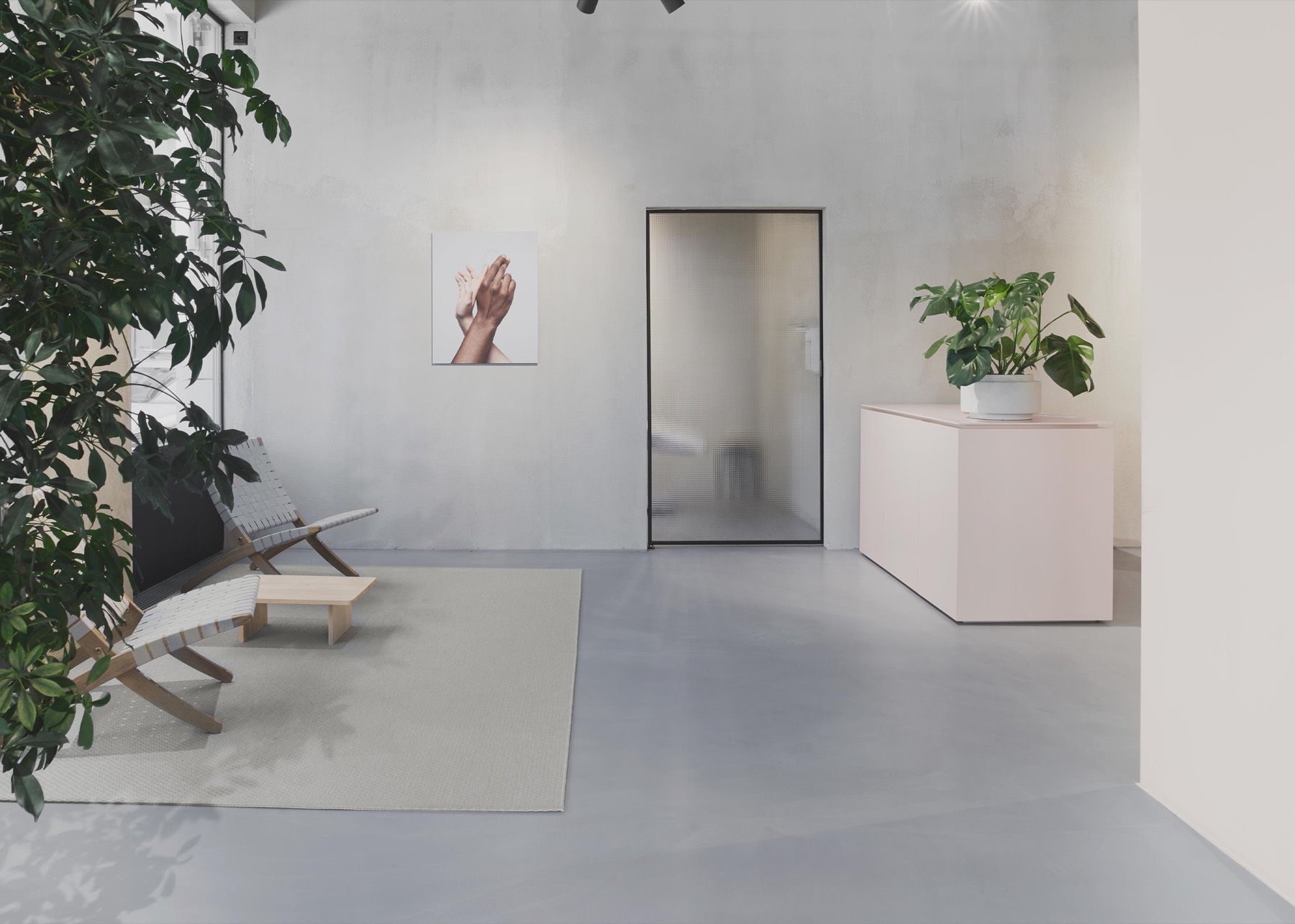
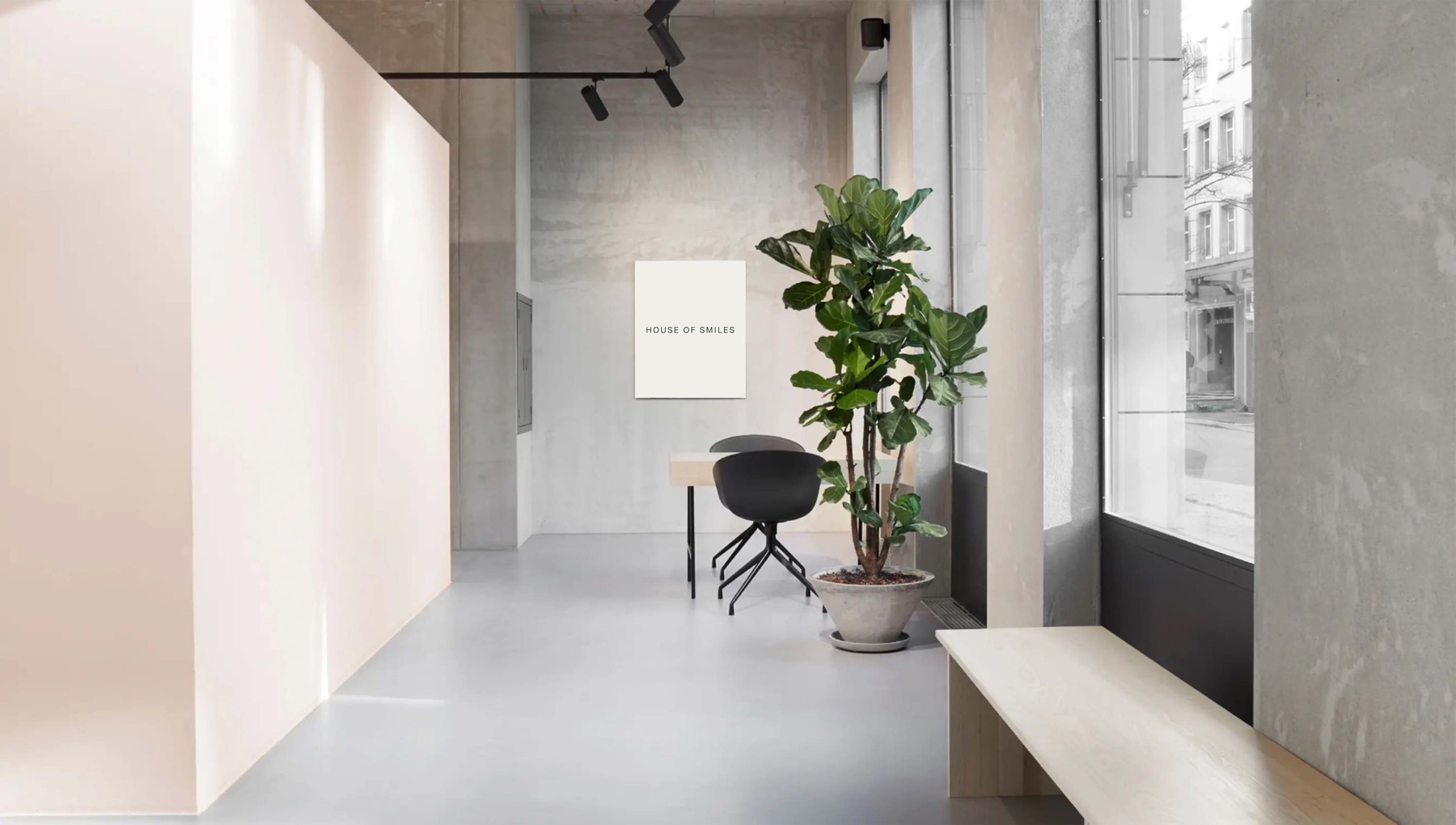
Half the journey is up to you — the other half is up to the practice. A calm environment without a clinical atmosphere, minimally invasive methods that keep the procedure as small as possible, time, and a team that takes fear seriously without making it bigger. New at our practice is red light therapy: ten minutes of warm light, during or after your treatment — a gentle wind-down, especially for nervous patients.
How exactly we put this into practice at House of Smiles — from the earthy colours of the practice to how the first appointment works — you can read in our article Dentist for anxious patients in Zurich.
You do not have to decide anything today. But if you like: a no-obligation getting-to-know conversation at our practice at Löwenplatz is the smallest possible step — book online, call +41 44 363 90 90 or send an email. Just mention that you are afraid. We will take care of the rest.
This article is for general information only and does not replace individual dental advice. Whether and which treatment is right for you is something we determine in a personal consultation based on your individual situation.