
What is jaw joint pain?
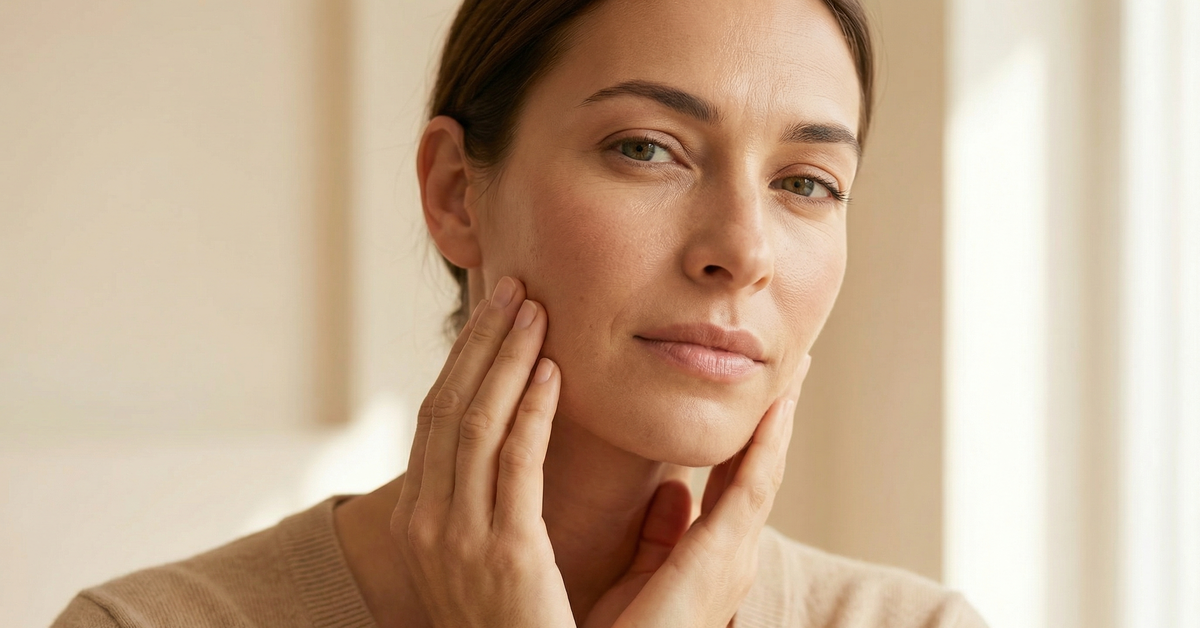
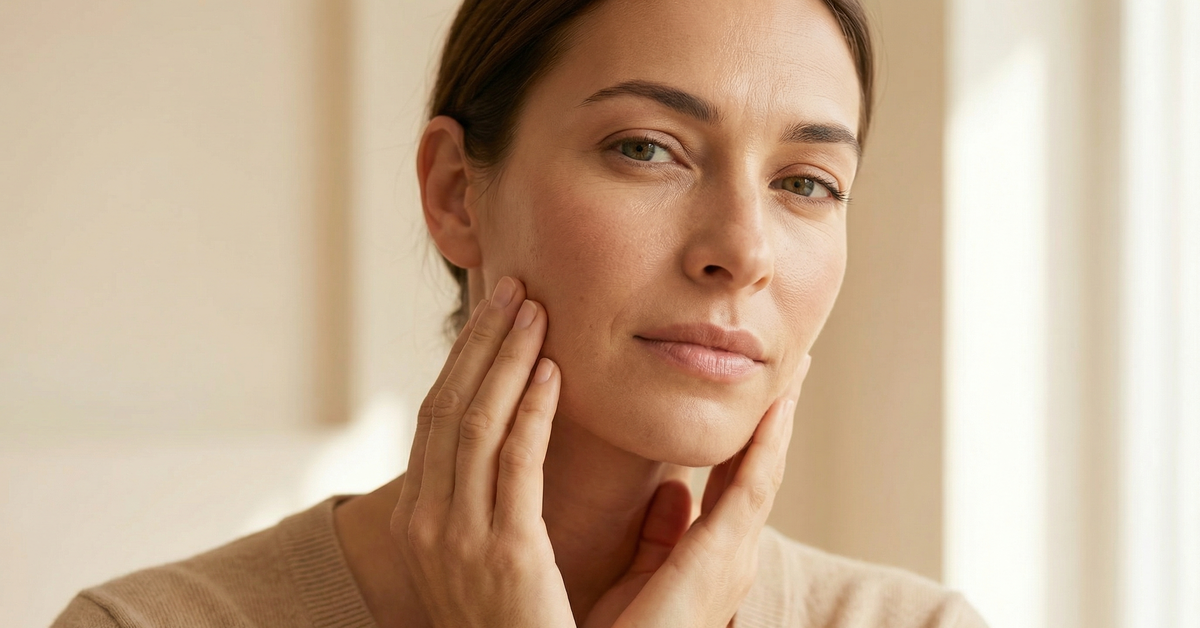
Jaw joint pain occurs in the area of the temporomandibular joint — right in front of the ear, where the upper and lower jaw meet. It is often part of what is known as craniomandibular dysfunction (CMD/TMD): a disturbance in the interplay of the jaw joint, the chewing muscles and the bite.
Causes: often a faulty bite is behind it
The cause usually lies in an incorrectly loaded jaw position (malocclusion), in which the teeth of the upper and lower jaw do not meet harmoniously. This imbalance leads to overload in the chewing muscles and the jaw joint. Common triggers:
- Faulty bite / malocclusion — the teeth do not meet harmoniously.
- Teeth grinding and clenching (bruxism) — often at night and unconsciously (more on this).
- Stress — encourages grinding and muscular tension.
Typical symptoms
- Pain or clicking in the jaw joint (in front of the ear)
- Muscle tension in the jaw and facial area
- Headaches as well as neck and throat pain
- restricted or painful mouth opening
What helps with jaw joint pain?
The key is to treat the cause — not just the symptoms. It starts with a precise analysis of the occlusion and the jaw joint (TMD analysis). The right treatment follows from this:
- TMD analysis / functional analysis — assessment of bite and jaw joint.
- Individual bite splint — relieves the muscles and joint, especially at night.
- Low-level laser therapy — for muscle relaxation.
- Masseter botox — relieves the chewing muscles in cases of strong grinding.
- Accompanying physiotherapy & stress management.
Prices (guide values)
One-sided jaw joint pain often has its own triggers — read more in the article one-sided jaw pain.
Have jaw joint pain assessed in Zurich
Do you suffer from jaw joint pain? We treat the cause, not just the symptoms. More on our page about treating jaw pain — or arrange a no-obligation consultation at our practice at Löwenplatz in Zurich. We analyse your bite and tailor the treatment individually.
This article is for general information only and does not replace individual dental advice. Whether and which treatment is right for you is something we determine in a personal consultation based on your individual situation.